Senior Living: Adopting a Vibrant Living Experience
Senior living nowadays indicates a shift toward a more energetic lifestyle. It combines coziness with opportunities for social engagement and individual growth. Thoughtfully designed locations facilitate independence while fostering community connections. Wellness initiatives play an essential role, along with motivating programs that spark bonds of friendship. What characteristics actually impact this gratifying undertaking? Delving into these aspects reveals how modern-day senior living can greatly lift the living standards for mature adults.
What Contemporary Senior Living Resembles
Today's senior living has advanced considerably, embodying a synthesis of comfort and community. Present-day facilities champion aesthetics and functionality, introducing well-designed apartments that fulfill the needs of older adults. Open floor plans, natural light, and accessible features maximize the living experience, instilling a sense of independence.
Community spaces provide an important function, including shared areas for community activities, food service, and health programs. Many senior living residences incorporate gardens, walking paths, and recreational facilities, encouraging residents to appreciate nature and maintain physical activity.
In addition, technological incorporation has become prominent, equipping residents with solutions for communication, entertainment, and safety. Connected home systems and emergency response systems reinforce security while cultivating autonomy.
Health and Wellness in Senior Living
Health and wellness are frequently emphasized in senior living environments, reflecting a integrated approach to aging. These communities often offer various health services, including routine medical check-ups, nutritional advice, and fitness programs tailored to the needs of older adults. By cultivating a positive atmosphere, residents are inspired to take control of their health through preventive actions and lifestyle modifications.
Mental health and wellness is similarly stressed, with resources such as professional counseling and stimulating cognitive work designed to sustain mental activity. Many facilities also promote interpersonal connections by delivering wellness classes, meditation sessions, and natural environment access, all of which play a role to a sustainable lifestyle. Concurrently, the dedication on custom-made care solutions assures that every client attains support services that aligns their individual health goals. All told, these initiatives strive to enhance the quality of life, empowering seniors to advance in their later years.
Activities That Form Connections
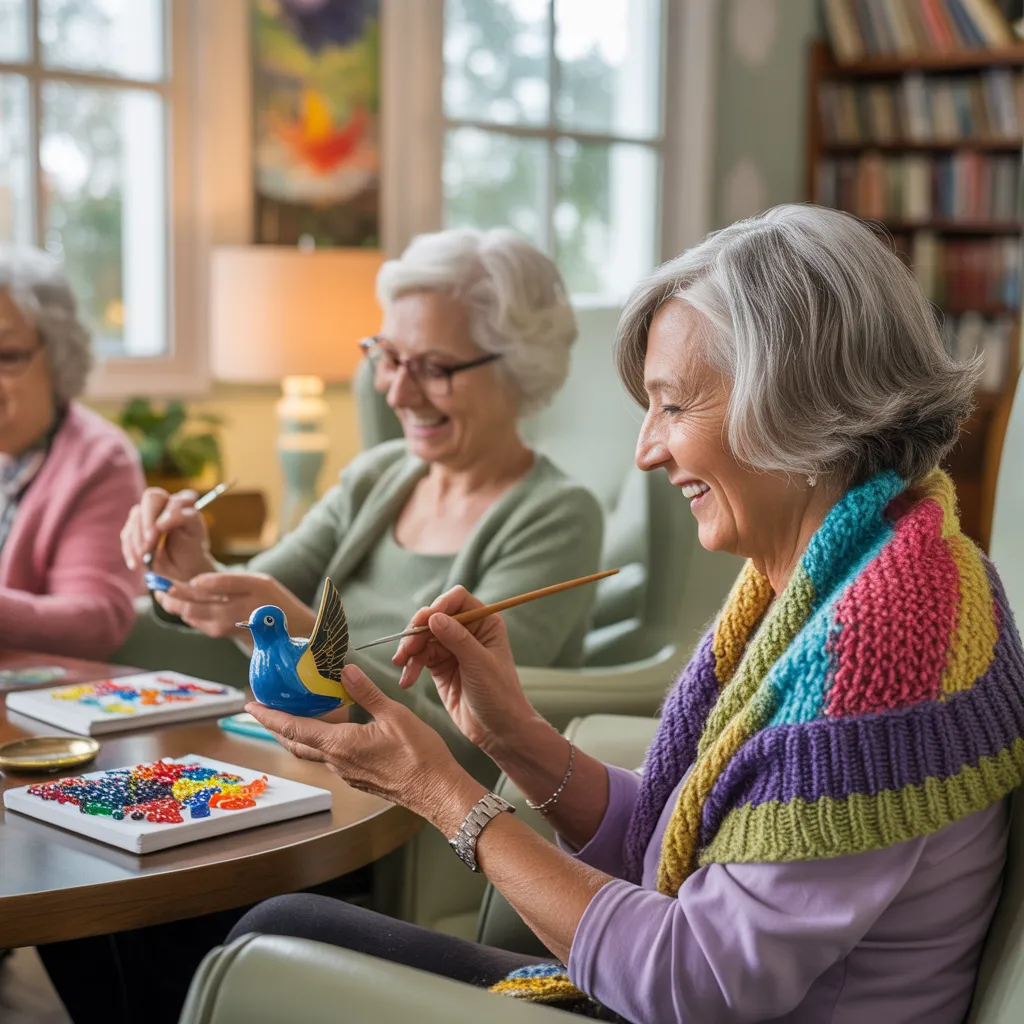
By fostering a community bond, activities that foster connections in senior living environments function as an essential element in boosting residents' social engagement. Taking part in collective activities such as art classes, gardening clubs, and game nights promotes interaction and companionship among residents. These common experiences reduce social barriers and create a nurturing environment.
In addition, coordinated outings, such as visits to local theaters or nature parks, offer possibilities for residents to build connections over shared interests and experiences outside of the facility. Regular social events, such as potluck dinners and holiday celebrations, continue to strengthen relationships through communal participation.
In addition, volunteer experiences among the community can instill a sense of mission while connecting residents with one another and the broader community. Overall, these events not only enrich residents' lives but also contribute to a vibrant and interconnected living environment.
Perpetual Learning for Older Populations
Senior citizens derive tremendous value from delving into new ideas and perspectives, which can boost their quality of life. Workshops and lectures frequently feature guest speakers, creating an lively atmosphere where residents can ask questions and share insights. Additionally, online courses offer flexibility, allowing seniors to learn at their own pace.
Why Community Fosters Senior Cheerfulness
As individuals grow older, the connection to a collective group can substantially improve their additional article overall happiness. Engaging with others fosters purposeful relationships, which are essential for emotional well-being. Communities supply opportunities for social interaction, lessening feelings of loneliness and isolation that often accompany aging. Frequent involvement in collective pursuits—such as classes, outings, or shared meals—encourages seniors to create bonds, share experiences, and assist each other.
In addition, a vibrant community often creates a sense of purpose. When seniors implement their competencies and understanding, they become valued and engaged, substantially elevating their personal confidence. Provision of amenities, like health services and recreational facilities, within a community can also uplift their life quality.
Ultimately, a strong community network not only enhances happiness but can also bring about healthier, more fulfilling lives for seniors, permitting them to embrace their golden years with energy and joy.
Regularly Requested Questions
What Are the Price of Living in Senior Living Facilities?
Expenses related to senior living facilities may comprise monthly rent, utility fees, care services, meal plans, and additional amenities. Financial considerations change substantially based on location, facility type, and level of care required.
How Should I Pick Out the Appropriate Senior Care Community?
Selecting the appropriate senior living community involves assessing personal needs, visiting potential facilities, assessing services offered, considering location, and reviewing costs. Engaging with current residents can provide valuable insights into the community's atmosphere and quality of life.
What Kinds of Accommodations Are Available in Retirement Communities?
Different types of accommodations available in senior living encompass independent apartments, assisted living units, memory care suites, and skilled nursing facilities. Each option addresses various needs, guaranteeing residents discover an appropriate environment for their lifestyle and health requirements.
Can Companions Be Kept in Senior Living Communities?
Assisted living facilities often allow animal companions, understanding their positive impact on residents' quality of life. Requirements differ, however, with some communities enforcing breed or size guidelines and requiring animal deposits to maintain a harmonious environment.
How Can Family Keep Participating in a Elderly Person's Life?
Family members can stay involved in a senior's life by arranging frequent check-ins, engaging in shared activities, communicating frequently through calls or messages, and helping with technology to exchange memories and preserve relationships effectively.